Martinique is an island in the lesser Antilles in the Caribbean sea, crowned by a volcano 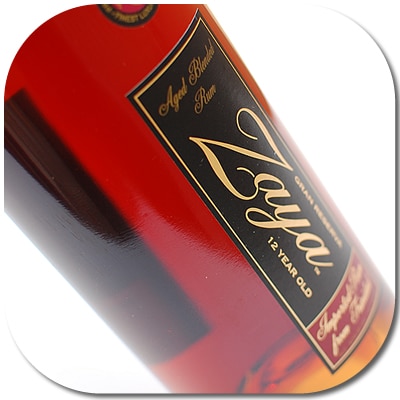
At current point Sanjit has over 50 rums from around the world, and as we sip the Rum Zaya, he starts bringing out some of the choicer rums from his collection, and we discuss the obsession that collecting rum has become for him. Collecting rum hasn’t been easy, and it helps that he travels frequently, as also passes on requests to friends. He doesn’t really believe in collecting really expensive rums, and there are some rums he says which are known as “shipwrecked rums”, which as the name suggests may have been salvaged from shipwrecks and can quite often sell for a few 1000 pounds. Most of the rum he collects is dark rum. He doesn’t like white rum. Some of the gold rums (anejos) are ok, he says while spiced rums are a hit and miss, though some can be good.
Unfortunately in India, says Sanjit rum as a drink has got short shrift, which is sad in a country, where there is a significant consumption of rum and where you will find rum made across multiple states. It’s a fall out of Old Monk’s popularity says Sanjit and the fact that you get a hugely accepted product at 300 rupees. It’s a fantastic benchmark, so no one really sees value in buying a product which is 4 or 5 times the price. As Sanjit goes on to say, the fact that rum is made in so many places around the world means that it has more variety than say Scotch whisky, which adds to the allure of the spirit. The popularity of rum has also increased the world over, and 15 years if you went to a liquor shop in the US you’d barely find 10 to 15 rums. Now you’ll find 50 different kinds of rum. The increase in immigration into the US from the Caribbean has also definitely helped boost the cause of rum in the US.
He’s hopeful though for the future of rum in India. As a few years ago, it was seen as a little cheap to be collecting rum or have rum in your bar, but that’s no longer the case. As Sanjit says, who would have thought 15 years ago, that wine would get so popular in India. Another issue that rum faces is that it’s perceived as a seasonal drink, to be drunk in the winters.
It’s the paradox of rum, that even at the swishest of parties in India, or even 5 star hotel bars, you will find a bottle of Old Monk, but it’s these same customers who even though they love rum, will baulk at paying a few thousand rupees for a bottle of rum.
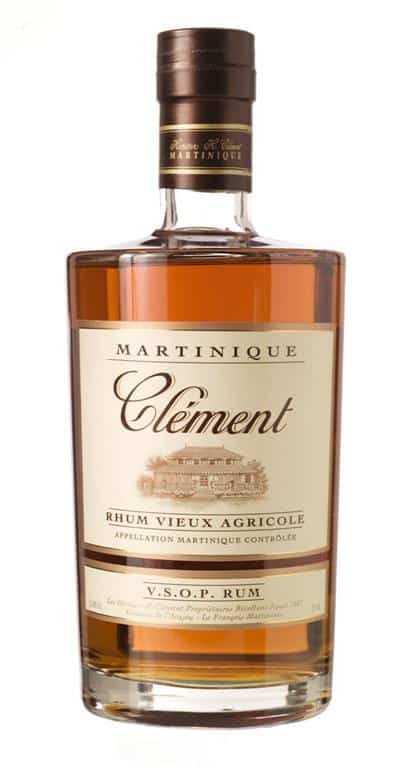
After the Zaya, we move on to Rhum Clement, another Agricole style rum, from Martinique. I ask him how he normally drinks his rum, and he says, “it’s normally half tonic, half soda, with a dash of lemon, instead of cola. Cola is too sweet”. Rum cocktails he dismisses as a waste of time.
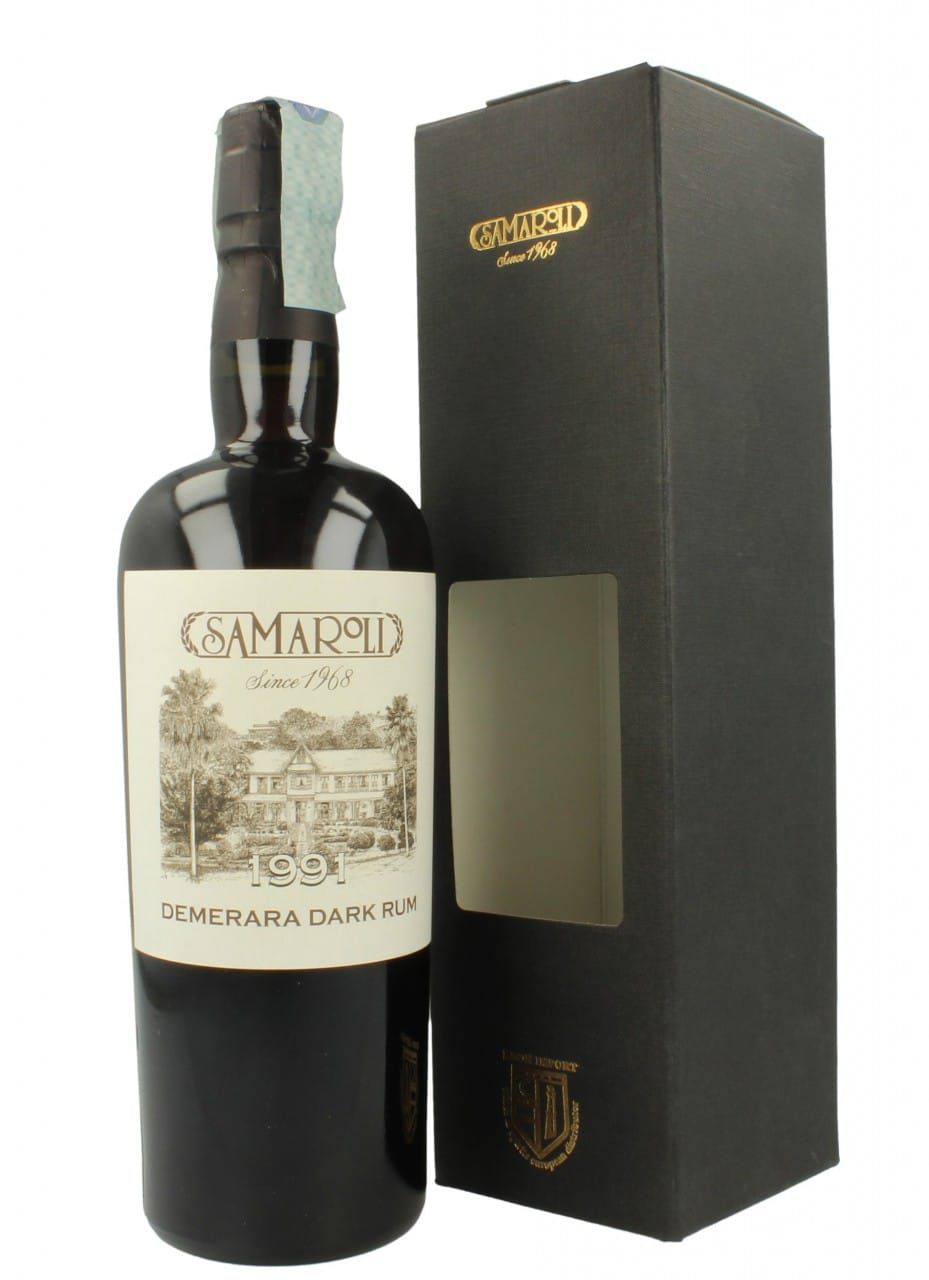
He brings out some of the stars of his collection, an Appleton estate 25 yo and a Samaroli. The Samaroli is made by an Italian who blends rums, and makes them in small batches of 300-400 bottles of each. Rums of the Caribbean or Rums of Africa for example, all bottled in Scotland. “when will you open it?”, I ask him, “a special day”, “It will be one, when I open it”, he replies.

![We asked the Tulleeho team two simple questions. What does a cocktail shaker sound like? And what does stirring a cocktail sound like? 🍸🥄
The answers were… creative. Then the real bar tools joined in. 👀
Turn your sound on and tell us who got it closest. Think you can do better? Write out your best shaker or stirring sound in the comments. We’re reading every single one.
[Cocktail Shaker | Shaker Sound | Stirred Cocktails | Shaken Or Stirred | Bartending | Mixology | Cocktails | Bar Life | Bar Tools | Funny Reels | Team Tulleeho | Tulleeho | Indian Bar Scene]](https://www.tulleeho.com/wp-content/plugins/instagram-feed/img/placeholder.png)