There are lemons and there are lemons, and the ones which go into Limoncello di Capri (LdC) are only from Sorrento, which gives LdC the right to state “Limoni di Sorrento I.G.P.” on their labels. It does come as a surprise to hear Mario Molinari tell us that 80% of Limoncello’s made in Italy are not made from lemons. No wonder we take to all things Italian! Anyway I’m not sitting with the owner of the world’s biggest Sambuca brand to talk about a company in which Molinari Sambuca has a stake, I’m more interested in the Anise flavoured liqueur, eponymously named which is all the rage, especially in the night clubs, where it’s customary to see a shot of Sambuca served with 3 coffee beans (called Sambuca con la mosca – Sambuca with the fly).

“My grandfather used to say that the 3 coffee beans symbolize good luck, but I personally think that it was a bartender in Rome who began serving the beans with the Sambuca, because when you chew the beans while drinking the Sambuca, the bitterness of the bean, complements the sweetness of the Anise”, says Mario. Whatever the origin, the ritual of the coffee beans has helped Sambuca make a mark on the world stage. In Italy, they still drink it mostly traditionally, that is a shot of Sambuca with coffee, or what is known as Café Corretto (the coffee is supposed to have been corrected by the addition of the alcohol!).
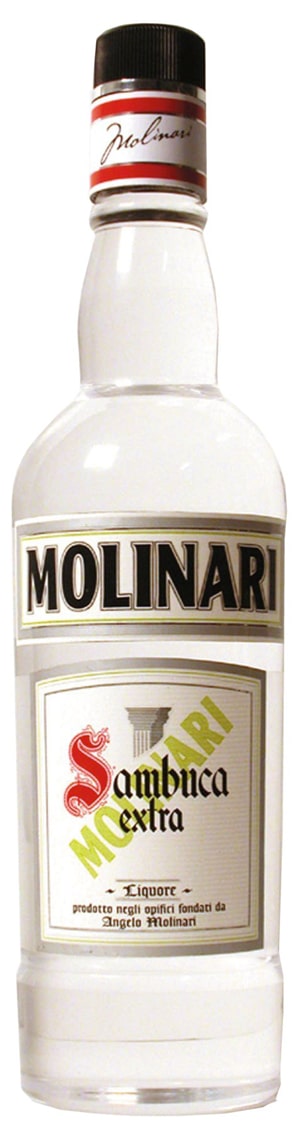
Mario’s latest innovation is Sambuca Café, which is a liqueur, based on Sambuca and Coffee. As per European law, to be called Sambuca, a product has to be clear and with no other flavour, other than Anise therefore the flavoured Sambuca’s you may see in the market are not technically Sambuca.
![We asked the Tulleeho team two simple questions. What does a cocktail shaker sound like? And what does stirring a cocktail sound like? 🍸🥄
The answers were… creative. Then the real bar tools joined in. 👀
Turn your sound on and tell us who got it closest. Think you can do better? Write out your best shaker or stirring sound in the comments. We’re reading every single one.
[Cocktail Shaker | Shaker Sound | Stirred Cocktails | Shaken Or Stirred | Bartending | Mixology | Cocktails | Bar Life | Bar Tools | Funny Reels | Team Tulleeho | Tulleeho | Indian Bar Scene]](https://www.tulleeho.com/wp-content/plugins/instagram-feed/img/placeholder.png)